
Morioh High NPCs and Relationships: Friends & Rivalries
Morioh High NPCs and relationships explained: every NPC type, how friendships and rivalries form, the rewards they unlock and habits that build them.
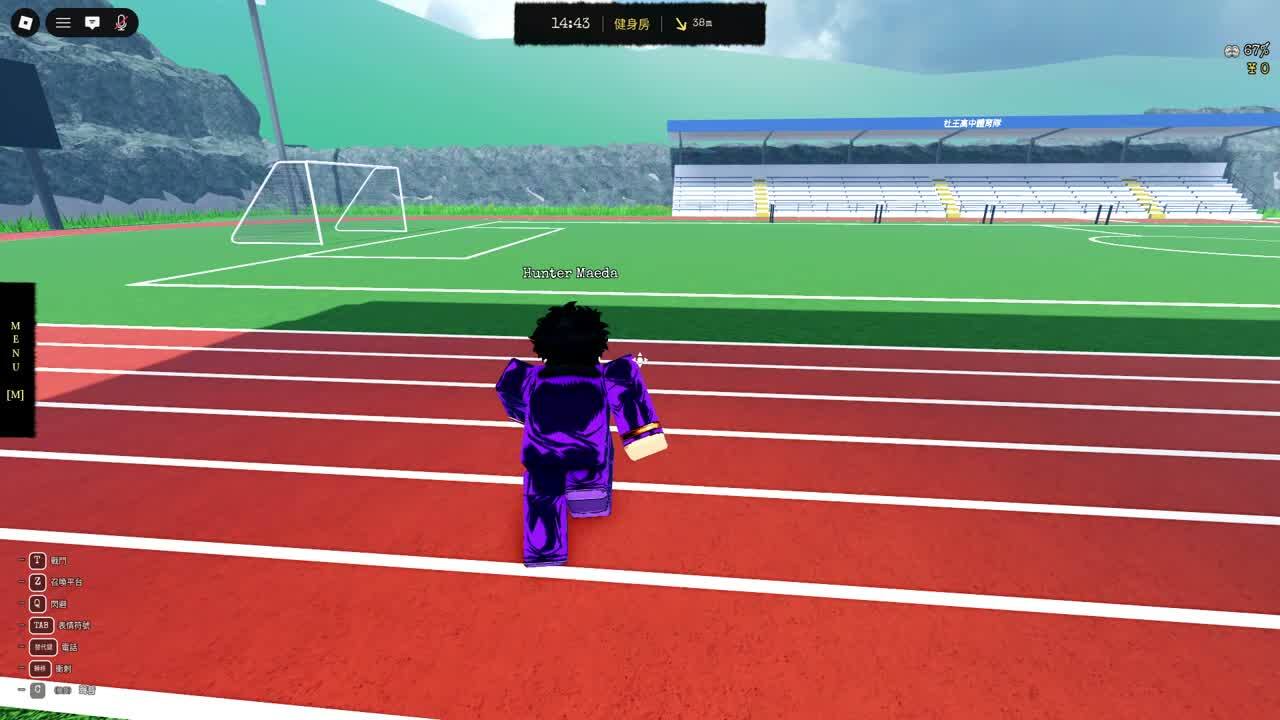
NPCs are the reason Morioh High feels like a school instead of a lobby. Every character you meet has a personality, a schedule, and a role in the world, and the relationships you build with them unlock content that combat never will. This guide covers the NPC types, how the relationship system works, and the habits that turn strangers into friends or rivals.
The three NPC types
Teachers anchor the academic layer. They guide classroom lessons, run the course system, and witness the fights that get students punished, which makes them both mentors and enforcers. Fellow students are the social heart of the game: they can become friends, enemies, or teammates, and they carry the relationship events that shape your school story.
Town residents extend the world beyond the gates. They provide activities and story across the town of Morioh, and they are why the shopping street and residential blocks matter. Each type lives on its own schedule, so learning where each group clusters is the first step to efficient relationship building.
How relationships actually work
Relationships run on dialogue choices. Every conversation pushes a bond toward friendship, rivalry, or group membership, and the system remembers what you chose. There is no single correct path, because enemies and rivals generate their own events, and some content only appears through conflict rather than kindness.
The confirmed reward list makes the system worth the effort: new dialogue options and story branches, exclusive activities and areas, Stand-related advantages and combat benefits, plus club membership and social perks. In other words, relationships are a progression system wearing a social face.
Voice-triggered Stands and NPC depth
The community has reported a standout feature: players can trigger Stand summoning with their voice, adding an immersive twist to the combat layer. Reports describe summoning Stands through voice during combat encounters with students, Stand users, and hostile NPCs across town. Treat the exact mechanics as community-reported until officially documented, but the feature is a consistent highlight of player coverage.
NPC depth supports that immersion. Because characters have personalities and schedules rather than static positions, conversations feel like the world reacting to you rather than a menu. The social systems and the Stand system meet in these encounters more often than players expect.
Where to find and how to approach NPCs
NPCs concentrate in three clusters: classrooms during lessons, club activity rooms during meetings, and the shopping street in the evening. Build your route around those clusters, and talk to every NPC you pass during your first campus tour. Early conversations hand out activity hints that the interface never mentions.
Approach matters as much as location. Ask questions, accept activities, and remember that choices have consequences, because NPCs react to your history. A student who greets the same characters daily builds bonds on autopilot, while a player who ignores everyone finds the social layer locked when they finally need it.
Friendship versus rivalry strategy
Friendships are the default optimization: more dialogue, more activities, more support in fights. Rivalries are the drama engine, generating unique events and story branches that friends never see, and some players build entire save slots around them. The healthy strategy is deliberate variety across your three character save slots.
Use one slot for a friendship-first playthrough, one for a rivalry-heavy story, and one for whatever the updates add next. The slot system exists for exactly this experimentation, and the campus life guide shows how relationships plug into the wider school loop.
Common relationship mistakes
The biggest mistake is treating conversations as clicks instead of choices, then wondering why nothing unlocked. The second is ignoring town residents, because the shopping street holds as much social content as the campus. The third is waiting for the game to prompt you, since most relationship progress comes from players who talk first.
The last mistake is ignoring the community layer. The official Discord is full of players mapping NPC schedules and sharing dialogue outcomes, and joining costs nothing. Bring your questions there, and the social system stops being guesswork.
Using NPC systems without overcomplicating them
NPCs are not a separate side game to ignore. They give campus life structure, help quests feel grounded and, according to community reports, may connect to Stand summoning through voice triggers. You do not need to optimize every interaction on day one. Simply learn which characters belong to school, town and event spaces, then add relationship goals as you become comfortable with the map.
For relationships, consistency matters more than one dramatic choice. Friends and rivalries develop through repeated contact with the systems around them. If your build relies on school or club effects, keep those routines stable. If you are exploring the social layer, pick a few NPCs tied to your usual routes instead of scattering attention across the entire map.
Avoid treating community-reported mechanics as confirmed rewards. Voice-triggered Stand summoning is an interesting part of Morioh High's design discussion, but the exact reliability has not been fully documented by the developer. Test it, record what you see and compare notes with the community. That approach gives you useful information without turning an unconfirmed detail into a false guarantee.
A low-pressure NPC routine
Use a simple loop for NPC systems. Learn the map, talk to characters near your usual routes and keep the school actions that support your build. You do not need to chase every relationship at once. A few repeated contacts teach more than random scattered conversations.
If community reports mention Stand-related triggers, treat them as leads rather than promises. Record what you see and compare notes with other players. That approach keeps your progression grounded while still leaving room for discovery.
Related
Browse the full guides hub, or return to the Morioh High wiki home.