
Morioh High Stand Evolution: Growth Stages & Role Paths
Morioh High stand evolution explained: the four growth stages, how each combat role develops and when a reroll actually makes sense for your Stand.
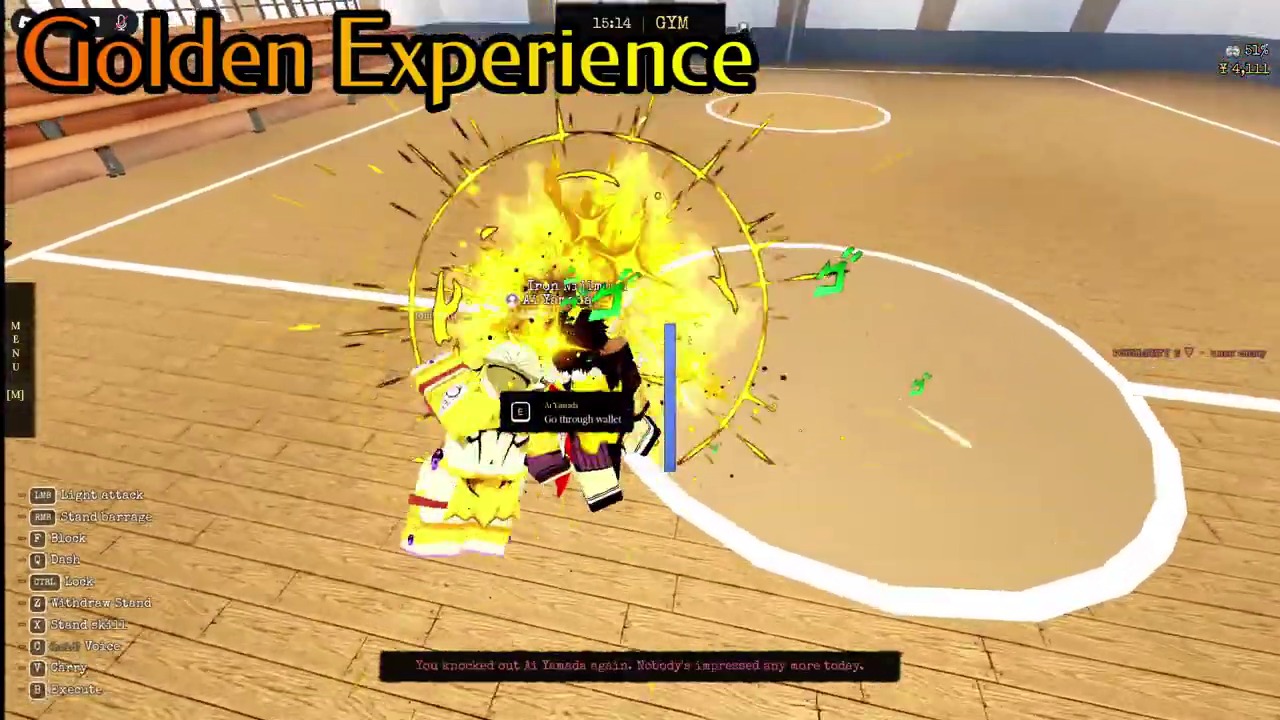
Stand evolution in Morioh High is not a button, it is a schedule. Your Stand grows in parallel with your school life, because classes, clubs, and relationships provide the resources and bonuses that every fight consumes. This guide maps the four growth stages, shows how each combat role climbs them, and explains when swapping Stands actually costs you progress.
The four growth stages
Every Stand develops through the same stages. Build Foundation covers the early game: learning attack timing, choosing targets, and testing each ability once in a low-risk fight. Practice the Combat Loop comes next, drilling one reliable combo and weaving defense between attacks. Specialize arrives in the mid game, when you extend combos, add setup tools, and sharpen your role. Refine for PvP finishes the path, when fundamentals stop leaking under pressure.
The stages matter because skipping one shows up later. A player who jumps to PvP refinement without a combat loop loses to every disciplined opponent, and a player who never specializes plateaus with a combo that stops scaling. The combat guide pairs with this page for the drills behind each stage.
How each combat role evolves
Damage and pressure Stands evolve from timing to terror. Early growth is about attack timing and target selection, mid game extends combos and sharpens burst timing, and the late stage lands stable finishers in PvP. Control and utility Stands start with spacing and safe openers, grow into setup tools and interrupt chains, and end owning entire engagements.
Defense and survivability Stands evolve differently. Early growth is blocking and defense timing, the mid game adds recovery windows and counterattacks, and the late stage becomes punishing mistakes so reliably that opponents stop pressing. All three paths end in the same place: a kit you can execute without thinking, which is what evolution actually means.
The school systems behind Stand growth
The school loop funds every stage. Classes and exams feed development and grant grade-based health bonuses, clubs grant combat bonuses like the Occult stamina reduction of 5 percent, and campus tasks pay the resources that turn practice into progress. The progression guide schedules the whole system week by week.
Treat Stand sessions as the final step of a school day, not a replacement for one. A player who attends classes, runs tasks, and then drills their Stand compounds on all fronts, while a player who only fights stalls on every gate the school systems control.
Testing, resources and the reroll question
Growth requires honest testing. Take your kit into low-risk fights after every practice session and after every patch, because ability values shift with updates. Keep a reserve of reroll currency for genuine mismatches, and remember the confirmed costs: 100 Rerolls or 10 Arrow Shards per swap, with Shards consumed first.
The reroll rule from the tested framework is blunt: a reroll guarantees a different Stand, not a better one. Master your current kit with the five-step practice route before spending anything, and use free codes currency for experiments. Swapping forfeits invested practice, so the real cost of a reroll is the growth you throw away.
Reading your own progress
Progress is visible in fight outcomes, not feelings. If your reliable combo lands under pressure, your foundation stage is done. If you disengage before the stamina lockout instead of after, your combat loop is done. If you win matchups by controlling space rather than out-damaging, specialization is underway.
Track those markers in a note, because fighting games hide progress day to day. Two weeks of structured growth beats a month of vague grinding, and the markers tell you when you are actually ready for the PvP refinement stage rather than just bored of practice.
The long game
Stand evolution ends, but the game around it keeps moving. Updates shift balance, new systems refresh the school loop, and your three character save slots exist for exactly this kind of long-term variety. A player who completes one Stand evolution understands the process, and the second Stand grows twice as fast because the fundamentals carried over.
That is the real reward of the system: evolution is per Stand, but mastery is per player. Grow one kit properly and every future kit inherits the foundation, which is why the tested advice for new players never changes: one Stand, mastered, before anything else.
Avoiding common evolution mistakes
The biggest evolution mistake is treating growth as a race to the strongest tier. Morioh High's Stand system rewards players who understand timing, stamina and role. If you switch kits before learning one, every new Stand starts from zero decision-making. If you reroll too early, you may lose a kit that would have taught you important fundamentals.
The second mistake is ignoring school systems. Grade bonuses, club effects and map awareness all feed back into how your Stand performs. Occult's stamina reduction, for example, directly supports skill-heavy play. Track and Soccer improve spacing, Esports supports dash rhythm and Basketball improves durability. These systems are not flashy, but they compound over time.
The third mistake is trusting unconfirmed evolution claims. Community reports about awakening and Stand Arrows are useful leads, but the confirmed reroll system is the safest way to change your current Stand. Save rerolls for a real decision, test each kit in public areas and note what actually works. Evolution is not just a menu; it is the sum of every system you maintain.
A cleaner way to measure Stand growth
Measure evolution by decisions, not just damage. Ask whether you know when to pressure, when to reset stamina and when to defend. A Stand is improving when those choices become automatic. This is more reliable than chasing one highlight combo.
Also track the systems around the Stand. Grades, clubs and map awareness all affect how a kit performs. When those support systems stay active, evolution feels steadier.
Related
Browse the full stands hub, or return to the Morioh High wiki home.