
Morioh High Combat Guide: Stamina, Parries & Combos
The Morioh High combat guide drills the systems that win fights: stamina economics, 0.2s parries, dashes, combo building and the five-step mastery route.
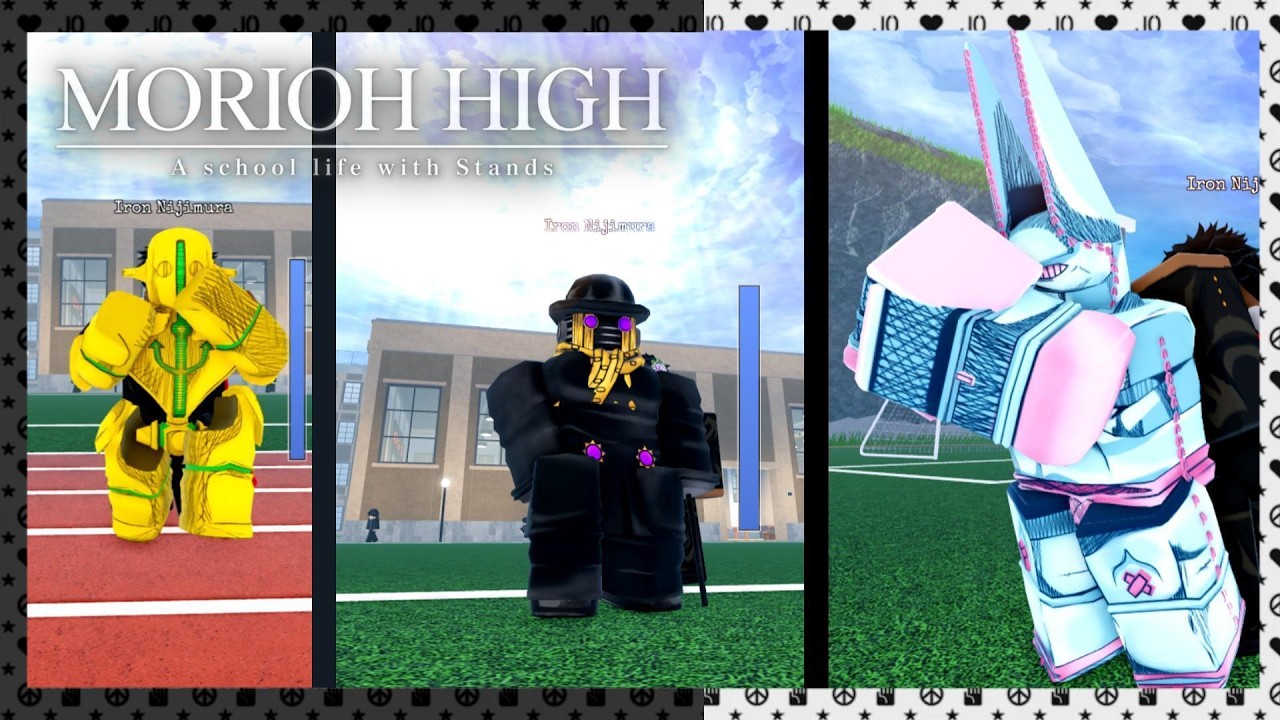
Combat in Morioh High is a stamina game first and a Stand game second. Every system interacts with one bar: summoning your Stand, throwing skills, extending combos, and recovering between fights. Players who understand the economy beat players with better Stands, and this guide teaches the numbers, the defenses, and the practice route that tested sources agree on.
The stamina numbers behind every fight
The bar caps at 100, and everything spends it. Passive drain while your Stand is summoned runs 3.4 per second, each combo hit costs 1.9, and every skill costs 22. After you dismiss your Stand, recovery starts 1.5 seconds later and returns 7 per second, which makes planned disengagement the fastest heal your stamina gets.
The punishment for mismanagement is severe: hitting zero locks your Stand for 10 seconds. In PvP that is usually the end of the fight, and in PVE it turns a routine clear into a death. The golden rule follows directly from the math: never spend your entire ability set in one exchange.
Defense wins Morioh High fights
Blocking is directional, front-facing only, so holding block blindly loses to crossups and spacing. Inside that system sits the perfect parry: a 0.2 second window that rewards reading your opponent instead of reacting late. The window is tight enough that practicing it against a friend in a private server is worth more than dozens of public fights.
Dashes carry brief invincibility at their start, which makes them the second defensive tool. The frames cover the beginning of the movement only, so timing matters more than panic. Between blocks, parries, and dashes, Morioh High gives every player the tools to survive stronger opponents, and the players who drill them climb fastest.
How combos actually work
Combos start from basic attacks that confirm into Stand skills. While your Stand is summoned, your heavy attack becomes a barrage, which changes the rhythm of every exchange until you dismiss it. Tested combo damage numbers make the choices concrete: Star Platinum: The World deals 54 damage across 10 hits, most other Stands deal around 40 or less across 8.
Longer is not better. A 10-hit combo costs 19 stamina versus 15.2 for 8 hits, and Wonder of U's 17-hit route drains 32.3 in a single exchange. Build one short, reliable combo first, learn when it confirms, and only then extend. Flashy routes that end in a lockout lose to boring routes that end in safety.
The five-step mastery route
- Test abilities one at a time in low-risk fights until each has a known job
- Build one reliable sequence of basic attacks into a skill that you can land under pressure
- Practice defense between attacks, weaving movement and blocks into your rhythm
- Learn cooldown discipline by always keeping one skill reserved for defense or escape
- Refine for PvP by reading opponent openings before committing your strongest tool
That route comes from the tested training framework, and each step exists because skipping it fails predictably. Players who skip step two lose every exchange to their own inputs, and players who skip step four lose every fight to the lockout. The stand abilities page pairs with this route for per-Stand details.
Where you can fight and the rules around it
Combat lives in designated areas, and safe zones block it entirely. School grounds add the teacher layer: fights witnessed by staff bring punishment, which turns campus brawls into stealth problems. Downed players can be robbed or executed by others, so losing a fight costs resources as well as pride.
Gangs complicate the map further, since groups support each other and turn duels into ambushes. Read an area before committing, note who is nearby, and treat every fight as a choice rather than an invitation. The map locations guide marks how the world splits between safe and hostile ground.
A training plan that fits real sessions
Fifteen minutes of deliberate practice beats an hour of auto-pilot. Spend the first five on parry timing against a cooperative partner, the next five running your one reliable combo against moving targets, and the last five on disengage-and-resummon drills that train stamina discipline. Finish with two or three real fights where you consciously apply one lesson.
Track what you learn in a note after each session, because progress in fighting games is invisible day to day. Within two weeks, the numbers in this guide stop being trivia and become instincts, and your Stand choice matters more than your opponents expect.
Applying the numbers in real matches
The combat system rewards players who respect stamina more than players who spam the largest skill. With a 100-point cap, a skill can remove more than a fifth of your bar instantly, while basic hits cost far less. That difference should shape your opening. Enter with cheap pressure, save your big skills for a confirmed opening, and remember that your Stand regenerates only after you put it away for about 1.5 seconds.
Defense should be practiced with the same seriousness as offense. Frontal blocking stops predictable damage, but the 0.2-second perfect parry is the skill that turns pressure into punishment. Dash startup can also give you invincibility frames, so it is useful for escaping combos as well as closing distance. If you learn only one advanced mechanic this week, make it timing your defense instead of adding another attack.
Morioh High also has social consequences for reckless fighting. Teachers can catch combat on campus, being knocked down leaves you vulnerable to player actions, and gang play changes how safe an area feels. Before you start a duel, check whether the location gives you room to disengage. A smart player chooses ground, not just buttons.
Related
Browse the full guides hub, or return to the Morioh High wiki home.