
Morioh High How to Play: Systems, Loop & Starter Plan
Morioh High how to play: the school life systems, the Stand battle layer, the daily loop that funds progression and a starter plan for your first week.
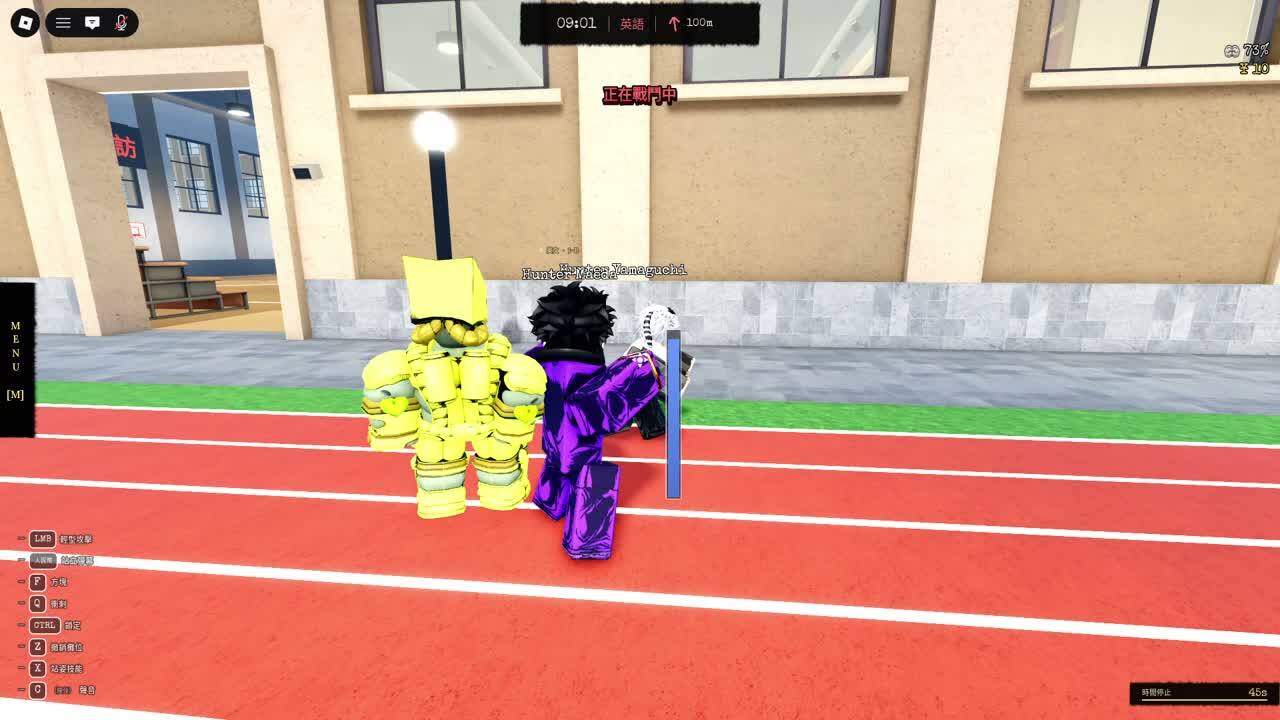
Morioh High plays like two games sharing one world. The surface is a supernatural school life simulator: classes, exams, clubs, friendships, and a town to explore. Underneath runs a Stand battler with 12 abilities, stamina management, and a reroll economy. Learning how the layers feed each other is the whole skill of playing well, and this guide gives you the map.
The six systems that run the game
Every activity in Morioh High belongs to one of six systems. Classes cover lessons, exams, and grades that affect development. Relationships cover friends, enemies, and affection, driven by dialogue choices. Clubs add activities and rewards with combat bonuses attached. NPCs populate the campus and town with interaction and quests. Stands form the supernatural combat layer. The map ties everything together across campus and town.
None of these systems is optional, which surprises players arriving from pure fighting games. Grades grant health bonuses, clubs grant combat perks like reduced stamina drain, and relationships unlock content you cannot buy. The school sim is the economy, and the Stand fights are what the economy buys.
The daily loop that powers everything
The tested daily loop is simple. Attend classes first, because they anchor progression and schedules. Run campus tasks and club activities for income and bonuses. Mix in sports or minigames between objectives. Spend relationship time while traveling between places. End with Stand practice or a combat event, then close the loop at your dorm.
Rotation beats repetition in this game. The tested guidance warns against grinding a single source until it exhausts, because multiple streams compound faster than one. Players who rotate finish their first week with a developed character, a Stand, a club bonus, and a relationship, while single-system grinders usually have one strong stat and three locked doors.
Your first sessions, step by step
Start with the opening setup and learn movement, interaction, and the menu before anything else. Then walk the entire campus once, touching every activity point and talking to every NPC you pass, because the map knowledge pays for the rest of the game. Practice basic combat early against low-risk opponents, testing one ability at a time.
Only then approach the Stand system. Community reports describe awakening chances after death and arrows spawning in the world, both community-reported, while the reroll economy is confirmed: 100 Rerolls or 10 Arrow Shards per swap. Redeem the seven launch codes first, hold the currency until you understand your playstyle, and read the tier list before deciding.
Combat fundamentals worth learning early
Combat runs on a stamina bar that caps at 100. Summoning drains 3.4 per second, combo hits cost 1.9 each, skills cost 22, and emptying the bar locks your Stand for 10 seconds. Front-facing blocks hide a 0.2 second perfect parry window, and dashes grant brief invincibility at their start.
Two habits cover most of the learning curve: never spend your whole ability set in one exchange, and build one short reliable combo before trying long ones. The combat guide drills the full system with the tested numbers behind every claim.
PvP, PVE and where each fits
PvP happens where combat is allowed, shaped by safe zones, teacher sightlines, and gang politics. It rewards defense, spacing, and matchup knowledge more than raw Stand strength. PVE covers NPC encounters, combat events, and the campus loop, where defense and sustain Stands clear fastest and campus tasks out-earn early combat grinding.
New players should treat PvP as a graduation exam rather than a starting point. Build the fundamentals through campus content first, then take fights once your combo lands reliably. The tested advice is blunt about it: combat events pay situational rewards until your fundamentals hold.
The starter plan for week one
- Redeem all active codes on day one for free reroll currency
- Complete daily campus tasks until the loop feels automatic
- Unlock and fully test your first Stand, ability by ability
- Join one club whose bonus matches your playstyle
- Build one NPC relationship and follow where it leads
Finish that list and you are no longer guessing how to play. Morioh High rewards structure over talent, and a week of the loop puts you ahead of players who jumped straight into fights and burned their rerolls on day one.
Turning systems into a stable routine
Morioh High becomes easier to play once you stop treating every system as separate. School raises survivability through grade bonuses, clubs add small but reliable effects, quests and activities give structure to exploration, and Stand combat sits on top of that foundation. A good routine touches each layer without turning your session into a checklist.
For your first hour, log in, claim available codes and complete the campus actions that teach movement. Then choose one club and stay consistent with it. Occult is the easiest recommendation for combat-focused players because it reduces stamina cost, while Track, Soccer, Esports and Basketball support different movement or durability preferences. After that, use quests and activities to explore the map before you chase fights.
When you finally practice combat, start with defense and movement. Blocking, the 0.2-second parry window and dash invincibility will keep you alive longer than learning one big combo. With a 100-point stamina cap and a 22-point skill cost, you cannot afford to waste resources on random pressure. Short, controlled attacks teach more than long flashy strings.
Putting the whole loop together
Morioh High becomes much easier when you connect the school loop to Stand progression. Start with campus systems, keep a club active and use quests to learn the map. Then practice combat with a clear goal rather than random pressure. This order turns each session into progress instead of noise.
Remember the confirmed limits: 30 players per server, a 100-point stamina cap and a 22-point skill cost. Those numbers shape every good plan. Keep your skills for real openings, use defense deliberately and let the campus systems build your durability in the background.
Related
Browse the full guides hub, or return to the Morioh High wiki home.